Businesses increasingly rely on ERP (Enterprise Resource Planning) systems to unify finance, HR, supply chain, sales, and more into one platform. But what is ERP development, and why is it so important? In short, an ERP system is like a company’s central nervous system. It provides a single source of truth by integrating key workflows…
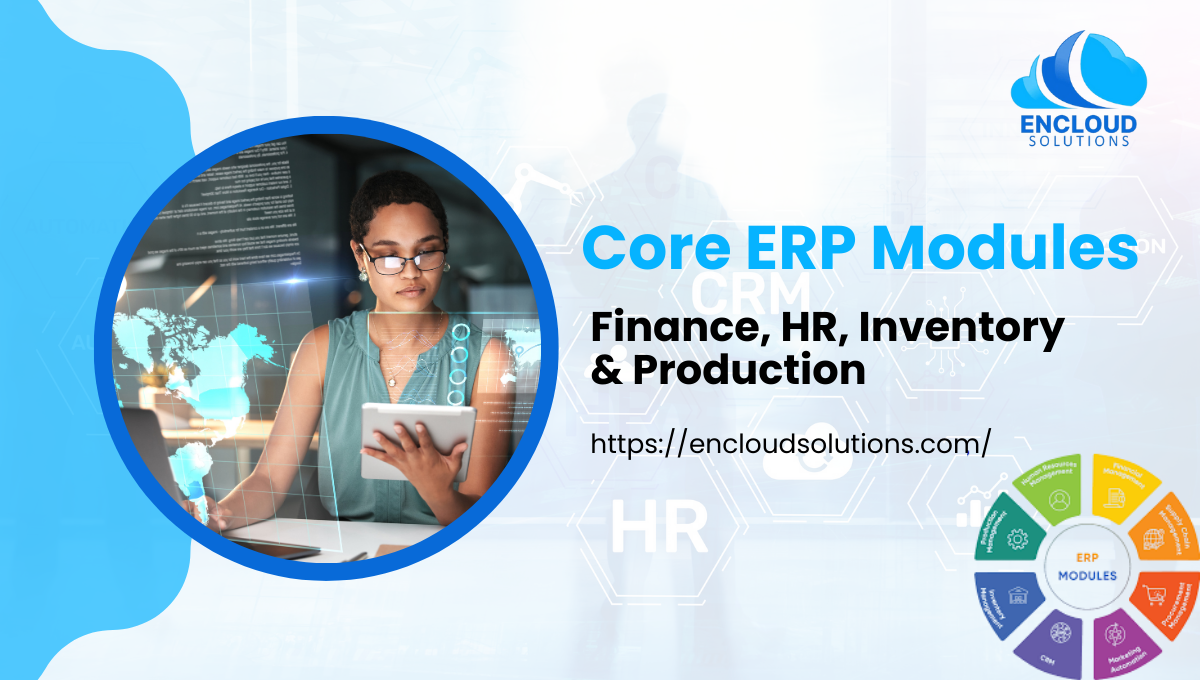
Enterprise Resource Planning (ERP) systems unify all your company’s data and workflows into one platform. The core ERP modules, such as Finance, Human Resources (HR), Inventory/Warehouse, and Production/Manufacturing, automate key business functions and feed into a shared database. For example, the finance module tracks payables/receivables and ledgers, the inventory module manages stock levels, and the…
Enterprise Resource Planning (ERP) development is the process of designing, building, and implementing a software system that unifies an organization’s core business processes. In the digital age, companies often struggle with fragmented data and manual workflows. ERP development explained means creating a tailored platform that brings together functions like finance, HR, inventory, and sales into…
Are You Choosing the Right ERP Development Company for 2025? Enterprise Resource Planning has moved far beyond the domain of back‑office accounting. Today, it sits at the heart of digital transformation, linking finance, inventory, HR, sales and supply chain in real time. Yet the success of an ERP initiative often depends on the partner behind…

Enterprise Resource Planning (ERP) systems can transform a business, but they can also spell disaster if mismanaged. Research shows ERP implementation failures occur in an overwhelming majority of projects. Gartner reports that over 70% of new ERP initiatives fail to meet their original objectives. Such ERP failures often lead to cost overruns, project delays, and…
Wholesale distributors face complex challenges: thousands of SKUs, multi-warehouse inventory, and dynamic supply chains. A robust ERP software for wholesale distribution management centralizes all core processes (sales, inventory, purchasing, accounting) into one platform. This integration enables real-time visibility across operations. In practice, ERP replaces error-prone spreadsheets and disconnected tools with automated workflows and analytics. As…

The real estate industry faces complex operational challenges: project delays, scattered data, and siloed workflows. During this period of automation, many firms are relying on spreadsheets and disconnected tools for scheduling, accounting, sales, and project management, which causes to financial and operational risk. Manual processes and legacy systems become a hurdle for growing companies, but…
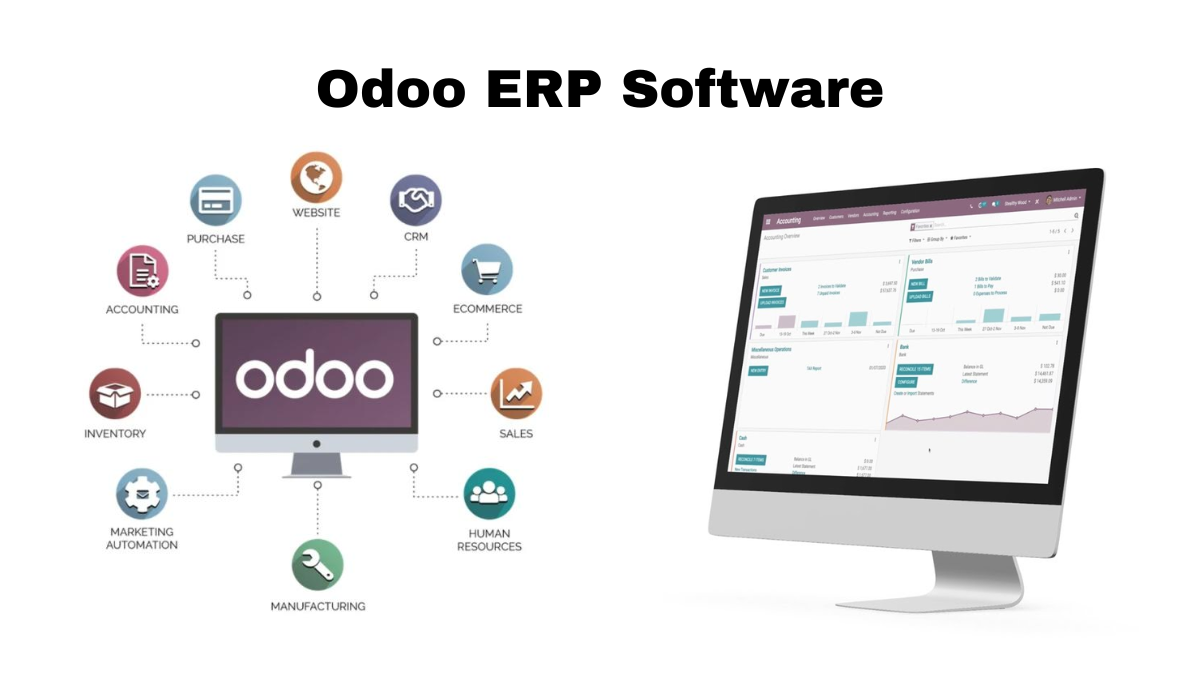
Companies demand ERP platforms that balance cost, flexibility, and functionality within today’s digital economy. Odoo ERP software is utilized by 7M+ users in 120+ countries (an estimated 15% share of the global open‑source ERP market within the year 2024). IDC projects the mid‑market ERP segment to grow at 8% CAGR through 2027, with Odoo cited…
Everyone knows that time management is not easy for managing a successful business, especially if you wanna do something creative. Effective time management is the practice of planning and prioritizing your tasks so you can use your time more effectively to achieve business goals. Odoo ERP is an all-in-one business software platform that combines modules…
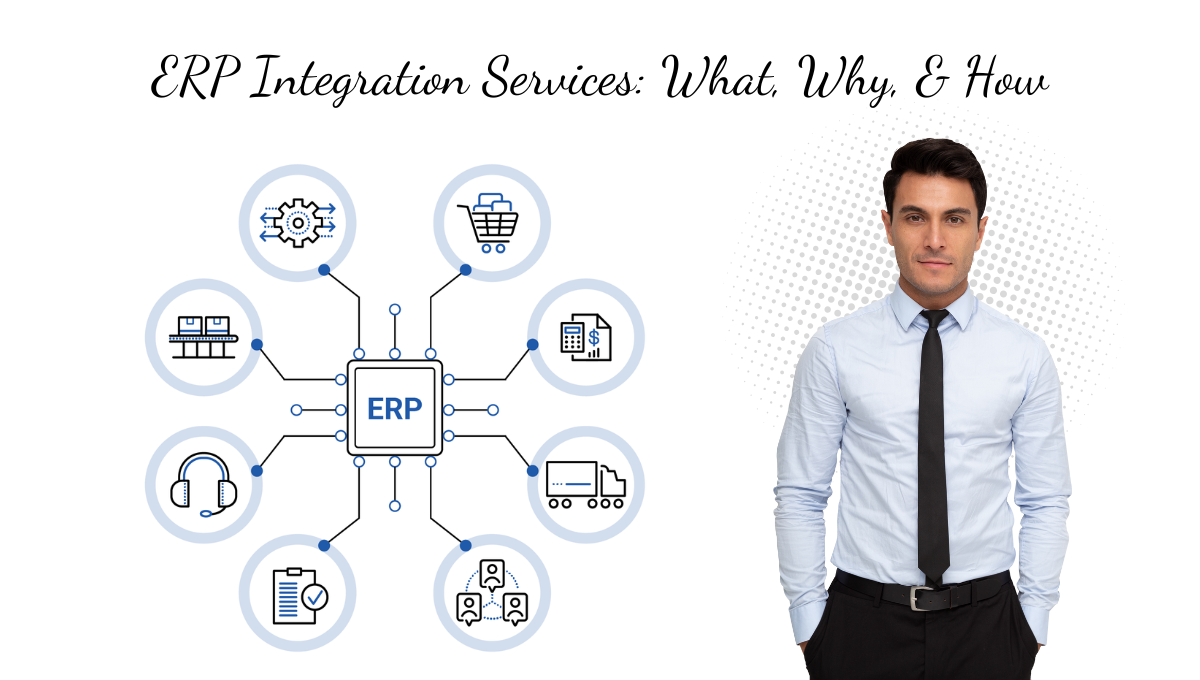
Understanding what ERP integration is is the first step for any business looking to connect its systems. In simple terms, enterprise resource planning integration is the process of linking an ERP system with other software (CRM, e-commerce, POS, etc.) so that data flows automatically between them. An ERP system is the hub of core processes…